

Purpose-driven marketing isn’t just a buzzword; it’s a strategy that connects brands with customers on a deeper, more emotional level. In a world where audiences demand authenticity and action, purpose-driven campaigns have evolved from being optional to essential. They don’t just sell products—they sell values, beliefs, and missions.
Let’s explore the brands that have mastered this art and dissect how their strategies resonate with their target audiences.
1. Dove: The Beauty in Being Real
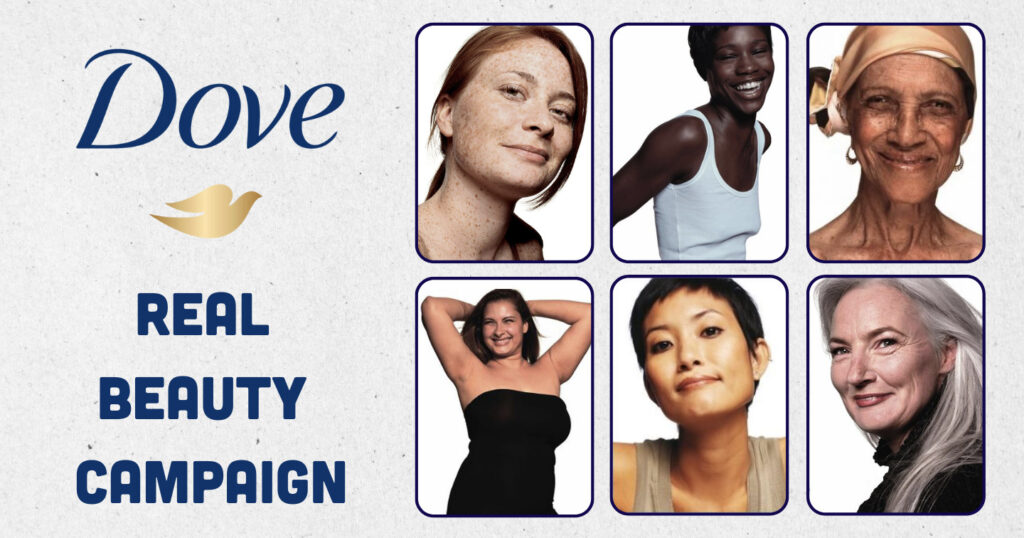
In the early 2000s, beauty ads painted a monotonous picture: thin, flawless, and impossibly airbrushed women gracing billboards and magazine spreads. Dove saw something unsettling in this portrayal—it wasn’t just exclusionary, it was eroding self-esteem. They asked a bold question: What if beauty wasn’t about perfection but authenticity?
Thus, in 2004, the Campaign for Real Beauty was born. Their ads didn’t feature models; they featured people like you and me. There were wrinkles, freckles, cellulite, and the kind of diversity mainstream advertising ignored. One of their most famous pieces, Real Beauty Sketches, took this further. An artist drew women based on how they described themselves, and then again based on how strangers described them. The difference was staggering—women were far harsher on themselves than anyone else.
But Dove didn’t stop there. They realized the problem wasn’t just in ads but in the minds of young girls shaped by these unattainable ideals. So, they launched the Dove Self-Esteem Project, creating workshops that taught millions of girls to love themselves just as they are.
The results? Women everywhere felt seen. And Dove became more than a soap brand—it became a symbol of empowerment.
What Dove Did Right
- Authenticity in Representation: Dove’s ads showcased women of all shapes, sizes, ethnicities, and ages. They broke away from the cookie-cutter “model” stereotype and instead focused on real people.
- Empowering Messaging: Campaigns like #ShowUs and the Self-Esteem Project highlighted the importance of body positivity and self-acceptance.
- Action Beyond Ads: Dove didn’t stop at messaging. They partnered with organizations worldwide to provide self-esteem workshops for young girls.
Results
- $4 billion in global sales within ten years of the campaign.
- Dove became synonymous with authenticity and inclusivity.
- Garnered deep emotional loyalty from its audience.
2. Patagonia: A Rebel with a Cause
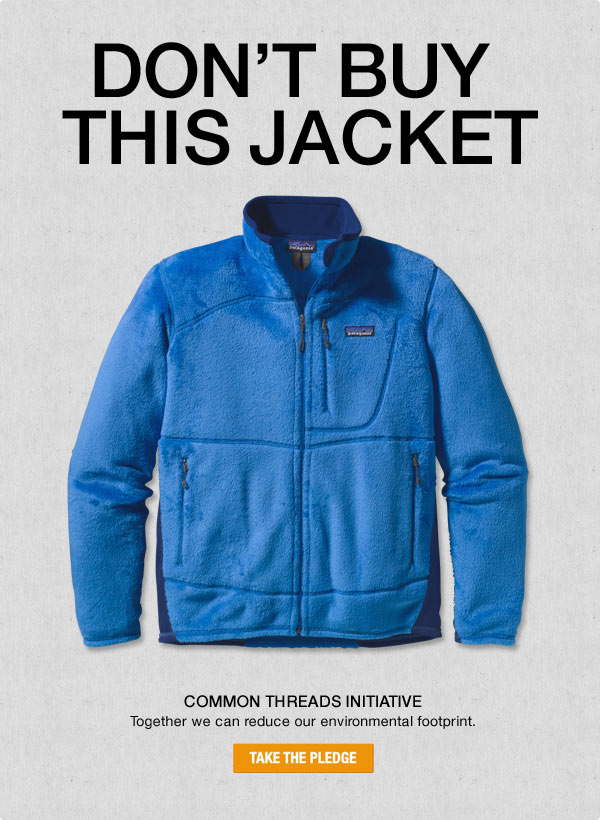
Most companies want you to buy more. Patagonia? They told their customers, “Don’t buy this jacket.” That was the headline of their 2011 Black Friday campaign. Beneath it, they laid bare the environmental cost of producing their beloved fleece jackets: gallons of water used, carbon emitted, waste created. The message was simple—buy less, and if you must, buy wisely.
This wasn’t a marketing gimmick; it was who Patagonia had always been. Since its inception, the brand has stood for environmental activism. Founder Yvon Chouinard famously said, “We’re in business to save our home planet.”
But their boldest move came in 2022. Chouinard gave away the company—not to his children, not to shareholders, but to a trust and nonprofit dedicated to fighting climate change. Patagonia’s profits, around $100 million a year, now go directly to saving the environment.
Patagonia doesn’t just sell outdoor gear; they sell a promise—to protect the world we explore.
What Patagonia Did Right
- Action-Oriented Messaging: From “Don’t Buy This Jacket” (a campaign urging consumers to reduce consumption) to their decision to donate $10 million in Trump-era tax cuts to environmental groups, Patagonia walks the talk.
- Sustainability at the Core: Their business model focuses on ethical production, repairable products, and environmental conservation.
- Legal Activism: In 2022, Patagonia’s founder Yvon Chouinard transferred ownership of the company to fight climate change, a move that resonated globally.
Results
- Skyrocketed brand loyalty among eco-conscious consumers.
- Positioned itself as a true leader in sustainable fashion.
- Inspired other brands to adopt more environmentally conscious practices.
3. Nike: Just Do the Right Thing
When Colin Kaepernick kneeled during the national anthem in 2016, he divided a nation. Some called him unpatriotic; others hailed him as a hero. Nike had a choice: stay neutral and avoid controversy or take a stand. They chose the latter.
In 2018, they launched the Dream Crazy campaign with Kaepernick as its face. The tagline? “Believe in something. Even if it means sacrificing everything.” It was risky—many burned their Nike gear in protest. But the campaign wasn’t about pleasing everyone; it was about standing for equality and justice.
This wasn’t a one-off. Over the years, Nike has consistently championed empowerment—whether it’s promoting women athletes in Dream Crazier or challenging gender norms with ads like Equality. They’ve built a brand that doesn’t just inspire people to run faster but to run towards a better world.
The result? A surge in sales, a strengthened brand identity, and proof that taking a stand can pay off.
What Nike Did Right
- Risk-Taking: Featuring Kaepernick in their Dream Crazy campaign wasn’t just bold; it was divisive. The ad polarized audiences but also cemented Nike as a brand willing to take a stand.
- Consistent Messaging: From Equality campaigns to promoting women athletes in Dream Crazier, Nike’s voice remains unwaveringly empowering.
- Cultural Relevance: By aligning with trending social issues, Nike ensures they remain culturally relevant and emotionally resonant.
Results
- A 31% increase in online sales post-Kaepernick campaign launch.
- $6 billion added to the company’s market value in just a year.
- Recognition as a brand with purpose, authenticity, and courage.
4. The Body Shop: Beauty with a Conscience
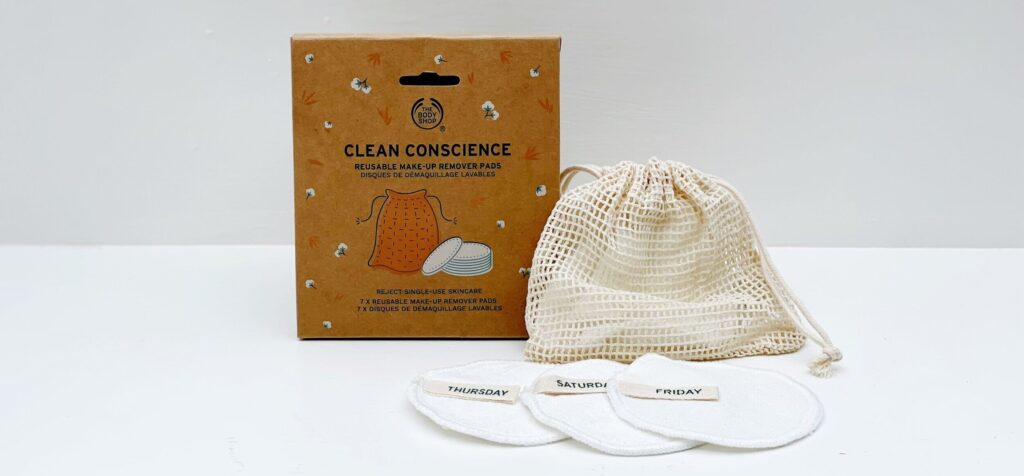
Before the world started talking about ethical beauty, there was The Body Shop. Founded in 1976 by Anita Roddick, the brand had a mission: to prove that business could be a force for good. Long before it was trendy, they fought against animal testing, championed fair trade, and promoted sustainability.
Their campaigns weren’t just ads; they were calls to action. In the 1980s, they launched a global petition against animal testing, collecting millions of signatures. The visuals were stark, the messaging unapologetic, and the impact undeniable—it helped pave the way for a European ban on animal-tested cosmetics.
But what made The Body Shop special was their ability to empower customers. Every time you bought their products, you weren’t just buying shampoo—you were buying into a movement. They showed the world that beauty could be ethical, and consumers loved them for it.
What The Body Shop Did Right
- Early Advocacy: In the 1980s, they launched campaigns against animal testing when most consumers weren’t even aware of the issue.
- Consumer Empowerment: The brand actively involves its audience in campaigns, from signing petitions to joining marches.
- Transparency: They openly communicate their ethical practices and supply chain integrity, building trust.
Results
- Paved the way for ethical beauty, inspiring countless competitors.
- Earned a loyal, global consumer base.
- Positioned themselves as the “gold standard” in purpose-driven beauty.
5. LEGO: Building a Better Tomorrow

If there’s one brand that knows how to inspire the next generation, it’s LEGO. For decades, they’ve been more than a toy—they’ve been a tool for creativity and learning. But in recent years, they’ve added another brick to their mission: purpose.
Take the Rebuild the World campaign. It wasn’t just about selling blocks; it was about encouraging kids to think critically and creatively. LEGO didn’t just market to children; they empowered them to imagine solutions to the world’s biggest problems.
And then there’s their environmental commitment. By 2030, LEGO plans to make all their products and packaging sustainable. They’ve already introduced innovations like LEGO Braille Bricks, which help visually impaired children play and learn.
In every piece they create, LEGO isn’t just building toys—they’re building hope, inclusivity, and a sustainable future.
What LEGO Did Right
- Inclusivity: They introduced product lines like LEGO Braille Bricks for visually impaired children and LGBTQ+ sets celebrating diversity.
- Environmental Commitment: LEGO is working towards 100% sustainable materials for its products and packaging by 2030.
- Educational Impact: Their campaigns, like Rebuild the World, encourage problem-solving and innovation among children globally.
Results
- Strengthened its position as the world’s most loved toy brand.
- Garnered widespread acclaim for inclusivity efforts.
- Built a legacy that transcends toys.
6. Ben & Jerry’s: Justice in Every Scoop

When you think of Ben & Jerry’s, you probably think of deliciously quirky flavors like Chunky Monkey or Cherry Garcia. But beneath the playful branding lies a serious commitment to justice.
From supporting marriage equality with their I Dough, I Dough flavor to tackling systemic racism with Pecan Resist, Ben & Jerry’s uses their ice cream as a platform for activism. Their website is more than a place to browse flavors—it’s a hub for education on issues like climate change, criminal justice reform, and LGBTQ+ rights.
In 2020, amidst global protests for racial justice, they released a bold statement condemning white supremacy and demanding systemic change. It wasn’t performative; it was backed by years of action, including partnerships with grassroots organizations.
Ben & Jerry’s doesn’t just sell ice cream; they sell values, one pint at a time.
What Ben & Jerry’s Did Right
- Activism in Business: They launched flavors like Pecan Resist to support progressive movements.
- Educational Campaigns: Their website and social media serve as platforms for raising awareness about key issues.
- Partnerships: They partner with grassroots organizations for maximum impact.
Results
- A strong cult following among socially conscious consumers.
- Cemented their identity as a purpose-driven brand.
- Inspired numerous brands to embrace activism.
The Heart of Purpose-Driven Marketing
Each of these brands tells a story—not just about their products, but about their values and the world they want to create. They teach us that purpose isn’t just a tagline; it’s a commitment, a journey, and sometimes, a risk.
So, as you think about your next campaign, ask yourself: What’s your story? And more importantly, what’s your purpose?